
‘Forefront’ 1.0 Hands-on: The Best ‘Battlefield’ VR Clone Yet Gets Even Better
- Views: 3

This post was originally published on this site
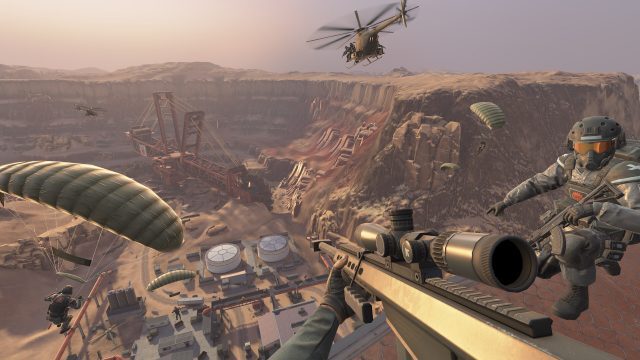
Forefront has been in early access for only a few months now, although Breachers (2023) developer Triangle Factory is releasing the game’s 1.0 update on April 23rd, which includes a new map, a few new weapons, class perks, and more. While it’s not a truly massive content drop, Forefront is still one of the best VR takes on Battlefield yet.
Brimming with fellow journos, YouTubers and Triangle Factory staff—most of whom I would say have spent a lot more time aiming down the game’s realistic iron sights—I can say with no hesitation that I had my ass absolutely handed to me last week in the three 20-minute matches I played in preview of the upcoming 1.0 release.
Granted, while it wasn’t my first time playing Forefront, my kill-death ratio certainly made it seem that way in the game’s 16v16 mass battles, which also gave me an opportunity to try out the game’s new map and all of the new gear before it releases tomorrow.
If you’ve played the early access version, here’s what’s coming. If you haven’t, consider this a mini-review of the game, and why Battlefield fans might consider picking it up.
You’ve Played Before (even if you haven’t)
Maybe you haven’t played Forefront before, although if you’ve ever played any of the Battlefield games over the past 20 years, you know the score: four main classes, gads of unlockable progression-based weapons, and plenty of vehicles to jump into, like Apache helicopters, Humvees, self-propelled anti-aircraft armor, and even four-wheelers for quick getaways.
Let’s put the new stuff at the forefront though for those of you who have, and want to know what the 1.0 update is all about.
The first addition you’ll notice when jumping in is ‘Clearwater’, the new expansive map that makes for another smart addition to the game’s lineup of seven maps, most of which can be played in Rush or Conquest mode.
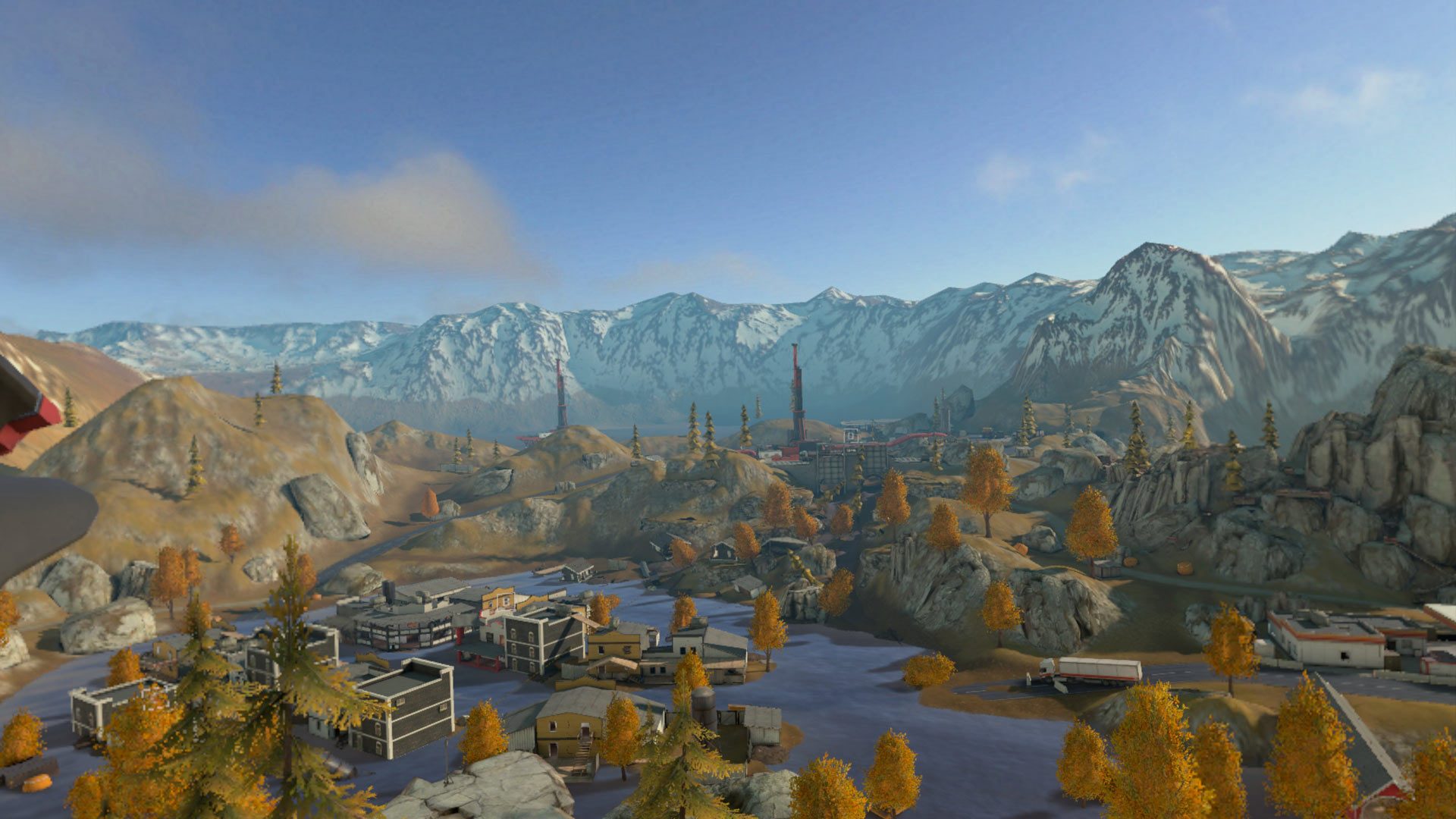
At its core is a flooded town, flanked by high vantage points, mountainous terrain, and industrial wreckage from the ongoing battle between the two factions. There are a ton of areas to hide in and around, giving players an opportunity for close-quarters combat and long-distance blasting, with a lot of it converging in the water-logged town center.
Other new things include a pilotable drone for the Engineer class, which is by far my favorite addition, if only because, hey. It’s a dang drone. The drone comes with a single slot for cargo, so you could airlift a medkit or ammo box to your buddies below. It also gives Engineers a minor role as a scout, letting them suss out where enemies are amassing when helicopters are all taken up or respawning. Yes, I tried to put a C4 charge on it. No, it didn’t get it to work. Quest 3 footage below:
There’s also a new combat bow for Recon. It’s stupid powerful. While it probably gives you a more stealthy approach, I think it’s mostly bragging rights that you killed someone with a pointy stick. Just remember to grab an arrow from your chest inventory slot, knock the arrow and aim carefully.
If you’re a dyed-in-the-wool Forefront player, I don’t need to tell you there’s definitely fun to be had exploring this admittedly modest content drop. Still, I can’t say I wasn’t expecting a little more in the class-based gadgets department.
While primary and secondary weaponry are all the same (save the bow), the 1.0 drop does include a new training ground so you can get to grips with everything the game has to offer, as well as a quick matchmaking function that wasn’t previously available. It’s something I wish I had before heading into my first match, which left me more wrecked than my hands-on with the 1.0 preview.
Here’s a look at Clearwater from the pilot seat of an Apache on Quest 3 to get a sense of the map’s size and its general perf. New to the game is also manual in-cockpit controls for helicopters, which give you two sticks: a main stick for direction and a elevation stick to raise or lower:
Notably, the Quest version of Clearwater (and the rest of the game) feels detailed enough when you’re playing, as maps seem to be built around the headset’s rendering ability by using clever terrain changes that keep a good amount of the action fairly close.
Trees and texture loading are pretty noticeable though when in a quick vehicle in addition to a slightly less detailed landscape overall. It’s nothing game breaking, although I could see the potential for some unwelcome surprises as Quest users go head-to-head with PC VR users, which have better overall rendering ability. To boot, the 1.0 update also brings dynamic shadows and better visual effects to the PC version.
Now for the SteamVR version on my desktop running—a fairly middling RTX 3060 (12GB) and 16 GB of RAM, which is admittedly in need of an upgrade eventually. For clarity, I’m using Steam Link to my Quest 3.
As a whole, it looks… actually pretty alright, considering it has to play cross-platform with both Quest and Pico standalone headsets. The dynamic lighting does increase immersion, and the overall sharpness of the visuals definitely make it my preferred way to play, although you’ll still see some geometry popping here and there.
If that were it, I’d say this a fairly small update. Maybe not even enough to be called a 1.0 release on its own. One thing I didn’t expect going in though was a healthy chunk of the update centers around four new perks for all classes. More ammo, increased movement speed, increased grenade throwing distance, the ability to reduce repair rate on vehicles—it’s a long list of new things that could measurably change combat moving forward, and give you a chance to better customize your soldier. I’m interested to see this in action tomorrow when everyone gets 1.0 though to see just how much of an effect it has on gameplay in the long-term.
For a deeper dive, Gamertag VR, who was in the same lobby as me, does a great job of explaining each perk in his full 20-minute preview, including his general impressions of the game and 1.0 update. You might even see one of my many deaths (and maybe a kill or two).
Conclusion
When I say you’ve played this before, I think it’s pretty clear I don’t mean Forefront is some sort of glorified VR mod of Battlefield. It’s a real VR native that makes some smart choices when it comes to translating the genre, maps, weapons, everything into something that works in VR.
That said, it doesn’t have a massive player pool by traditional shooter standards (more on that below) even if it’s cross-play between standalone and PC VR. That also means it also doesn’t do ranked matches. The handful of official global servers are it for now.
Still, that’s not such a massive drawback. The most important thing you should know before hitting the buy button though is shooting in VR is a serious skill check, and doubly so (or triply) since Forefront treads the all too familiar line between arcade shooter and military sim.
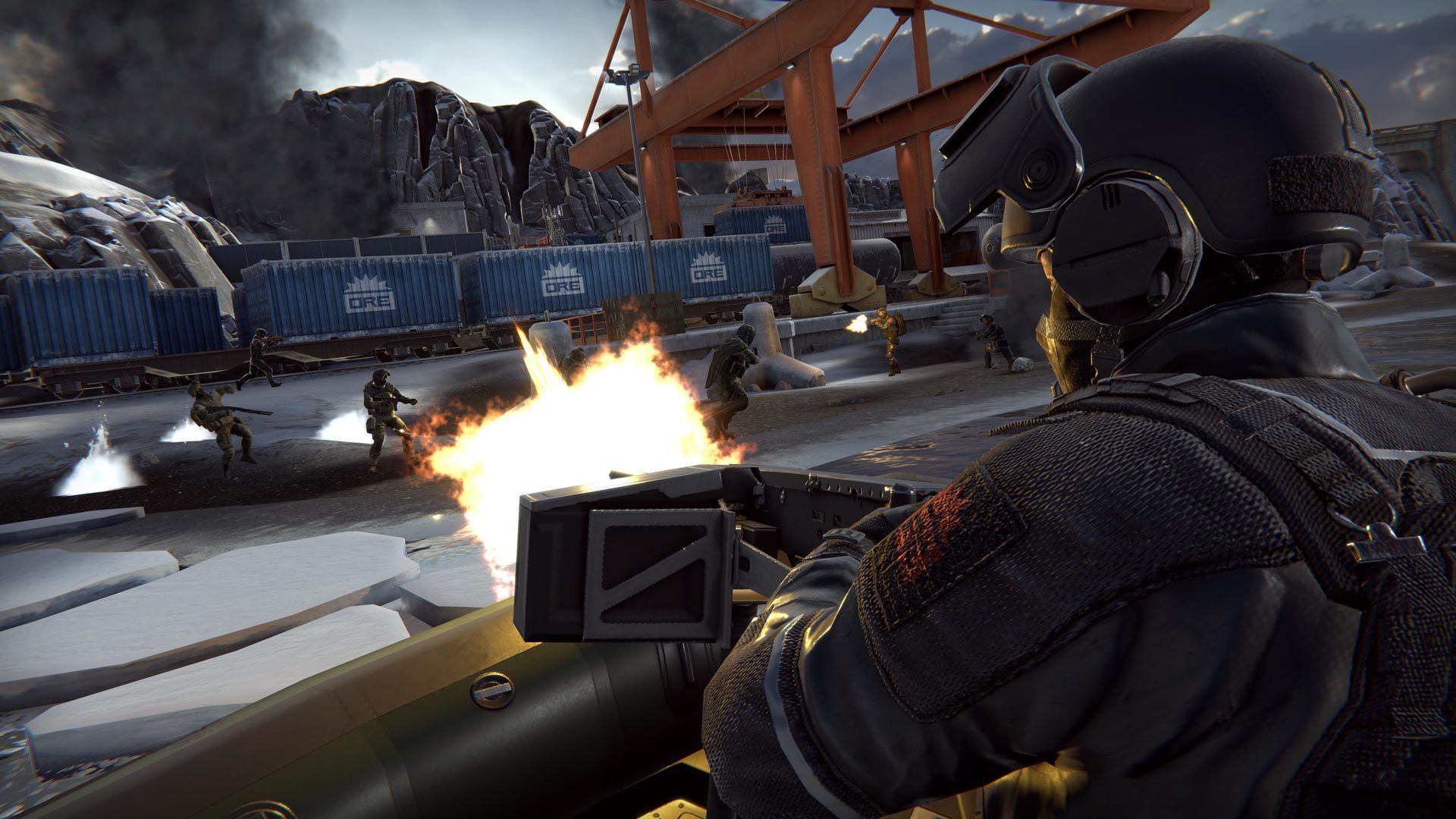
Realistic iron sight shooting, manual reloading, and a body-worn inventory of gadgets all make it the sort of VR shooting experience genre fans will instantly click with, or conversely decide it just isn’t a right fit.
As glowing as my experience with Forefront has been, decidedly less immersive is the audio experience. Spatial audio seems to be fairly binary. You may have three friendlies behind you and three enemies in front, but all of it sounds like piped-in, in-your-ear chatter with no measurable directionality or distance fall off. Which is part of the reason I tend to not only mute my mic, but also all other players. Yeah, I’m that guy.
And while I had fun traversing the new map and playing with the new gear, tactically placed ziplines, and every core vehicle you can think of, I left feeling like the 1.0 update as a whole wasn’t such a massive value add.
Sure, it adds a measure of polish to the PC VR version and its new gadgets are fun, but I think the core of the argument is that Forefront is already a pretty full-featured experience to begin with. I’m not defaulting to my usual proviso with multiplayer VR shooters; there doesn’t seem to be any shortage of players on servers at any time I checked the last few days, so I don’t think low concurrents will be an issue in Forefront’s near-term if they keep pumping out maps and more reasons to come back like we’re seeing with tomorrow’s drop.
Whatever the case, the best matches you’ll ever find will undoubtedly be with a good group of people if you can wrangle them. There aren’t dedicated servers though, so I’ve found the ‘mute all’ option to be my number one defense from staying sane, as kids make up a good portion of the game’s player base. Don’t say I didn’t warn you.
In the meantime, you can find Forefront over on the Quest Store, Steam and the Pico Store right now with its early access pricing of $24. Starting tomorrow, April 23rd, that price goes up to $28. There’s still no word on exactly when to expect it on PSVR 2.
The post ‘Forefront’ 1.0 Hands-on: The Best ‘Battlefield’ VR Clone Yet Gets Even Better appeared first on Road to VR.
You Might Like