HTC’s Revenue Stabilizes as XR Pioneer Pins Hopes on AI, Smart Glasses and Enterprise
- Views: 1

This post was originally published on this site
HTC has been attempting a second act as an XR and AI hardware company for a few years now with mixed results. And while the once-dominant smartphone company is still the midst of a protracted revenue decline, HTC seems to have stabilized.
As reported by Taiwan’s Financial Express News, HTC revealed at its annual shareholders meeting a consolidated revenue of NT$292 million (~$10 million) for June 2026, showing a year-over-year decrease of 8.5% and first-half revenue decrease of 9.7% year-over-year.
Although that doesn’t sound particularly encouraging, the decline actually represents a rare degree of stability for the Taiwan-based company, which has battled significant revenue losses since as far back as 2013.
Granted, HTC is now a fraction of its previous size, which was before selling a significant portion of its smartphone engineering team and IP to Google in 2018, and a number of XR hardware talent to Google in 2025.
Still, HTC appears to be settling in at a much lower revenue base, as the company is ostensibly pinning its hopes on AI, smart glasses, its VIVERSE metaverse platform, and its usual smattering of enterprise hardware and services.
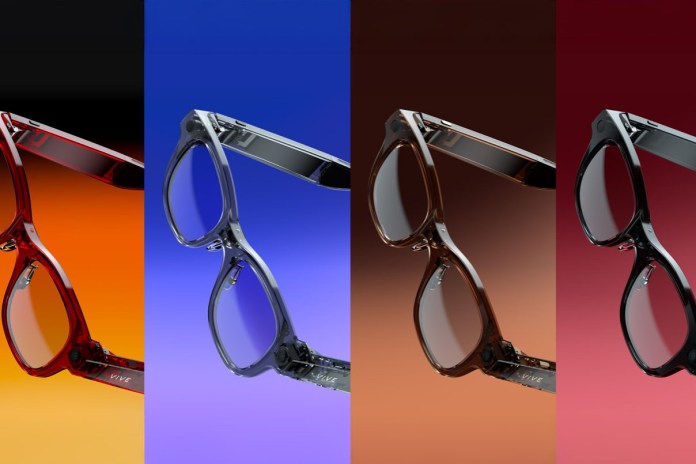
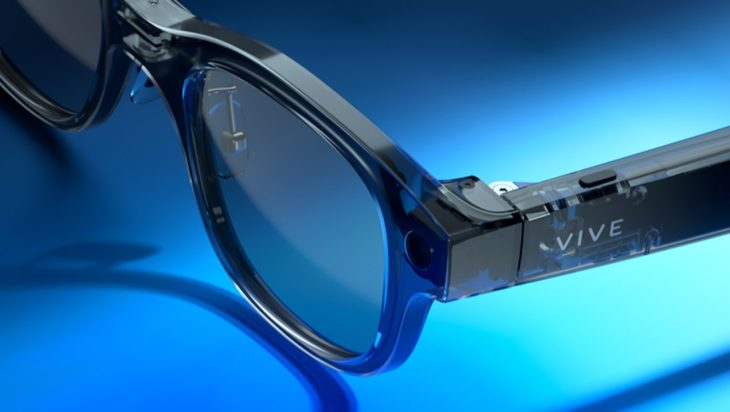
Notably, HTC Chairman Cher Wang stated at the company’s recent shareholders’ meeting that AI has become one of the most important trends it’s following, with the company’s first AI-powered smart glasses, the VIVE Eagle, expected to arrive in the US and Europe sometime in Q3 2026.
Wang also highlighted the company’s metaverse platform, VIVERSE, which has transformed into a user-generative platform since last year, having attracted over 1.7 million month active users in May, with more than 32,000 pieces of content and at least 14,000 creators joining.
However, HTC’s main challenge remains converting these user numbers and strategic initiatives into meaningful revenue growth, something the company hasn’t clearly demonstrated since making the pivot from smartphones to XR.
Outside of XR, HTC telecom subsidiary G REIGNS also made progress in industrial applications, as its partners Taiyang Technology and Alaska-based Microcom are working on an end-to-end open radio access network (RAN) solution, which is currently aiming at the US market and remote areas. G REIGNS is also introducing AI, 5G private networks, and edge computing technologies to Taiwan’s deep-sea fishing industry, which launched a smart fish-finding solution to help fisheries improve fish search efficiency and real-time decision-making capabilities.
One area not discussed was HTC’s XR headset strategy, which seems to have stalled somewhat following the 2024 release of its VIVE Focus Vision standalone in September 2024. As the successor to VIVE Focus 3, the $1,150 Focus Vision was primarily aimed at enterprise XR and enthusiasts.
That said, HTC has managed to survive the collapse of its smartphone business while staying afloat in XR amid Meta’s domination of the segment, which is no small feat. Still, its next big test will be to see whether it can efficiently build off these revenue streams in the coming years, and maybe, just maybe reclaim some of its former glory.
The post HTC’s Revenue Stabilizes as XR Pioneer Pins Hopes on AI, Smart Glasses and Enterprise appeared first on Road to VR.
You Might Like