Google & Samsung Reveal Smart Glasses for Fall Launch, Aiming to go Head-to-head with Meta
- Views: 1


This post was originally published on this site

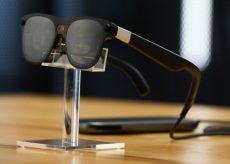
Google and Samsung today gave the first official glimpse of an upcoming pair of smart glasses which are set to go head-to-head with Meta’s own AI-based smart glasses.
The News
The new smart glasses revealed by the companies at Google I/O today are seemingly unnamed at this point but generally referred to as “intelligent eyewear.” Like most of Meta’s smart glasses lineup, this pair is limited to audio input & output. A camera exists for visual input, but there’s no built-in display for visual output, unlike Meta’s Ray-Ban Display glasses.

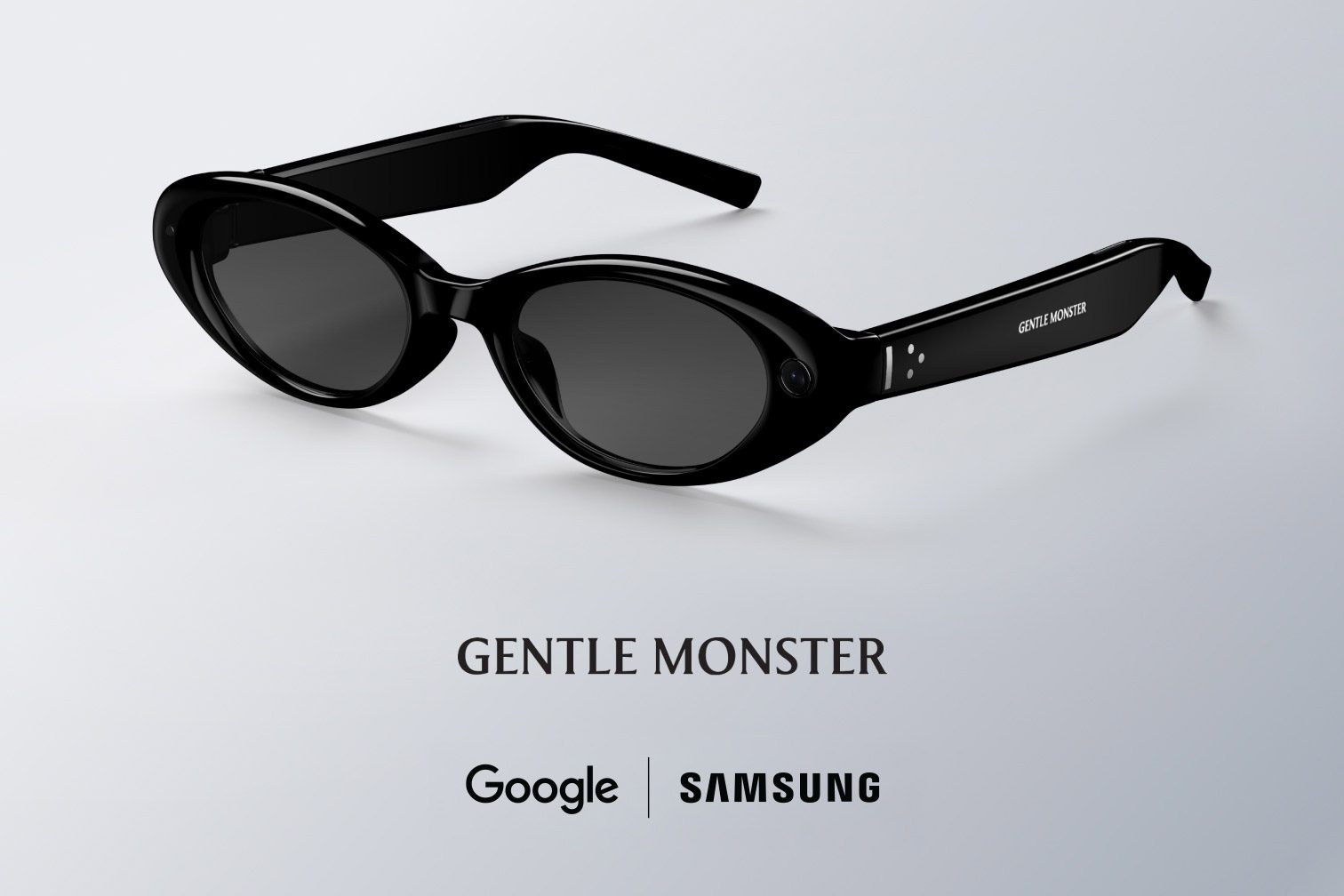
The new smart glasses from Google and Samsung come in two styles: one made in collaboration with eyewear brand Warby Parker and another made in collaboration with Gentle Monster. Last year Google reportedly invested $100 million in Gentle Monster as part of its growing smart glasses ambitions.
Google and Samsung say the glasses are designed to work as a companion device to a mobile phone—similar to Meta’s smart glasses—suggesting it will have limited capabilities when worn by itself. The companies say the glasses will work with both Android and iOS phones, though it’s likely that some limitations may exist on iOS.
As part of the announcement, the companies offered a tease of the device’s capabilities:
Users can access navigation assistance by simply asking Gemini with their voices, receive personalized suggestions such as a nearby coffee shop on their walking route, or even place an order for pickup. Users can also receive summarized notifications for important texts and add events to their calendars. Additional features include real-time translations with audio that matches the speaker’s voice, as well as the ability to translate text on menus or signs in the user’s line of sight. Working seamlessly within the Galaxy ecosystem, the device helps users easily manage everyday tasks or effortlessly capture photos, all without taking their phone out.
On stage at Google I/O, the company showed that some requests (like ordering food from a restaurant) pass the request to Gemini on the user’s phone, which actually navigates the Doordash app by itself to place the order. It’s unclear how widespread this ‘Gemini app control’ capability will be, but it could be a huge breakthrough for the usefulness of AI through smart glasses and beyond.
Pricing and detailed specs have not been announced at this time, though the companies say the Google and Samsung smart glasses will launch this Fall “in select markets.”
My Take
Meta has already been seen to double-down on its smart glasses business after seeing greater than expected adoption, and this announcement of new smart glasses coming from Google and Samsung shows a growing belief in head-worn devices as the ideal place to capitalize on increasingly useful AI agents that have motivated the tech sector in recent years.
While the initial focus is on audio as the primary output modality of these glasses, Google has already confirmed its intentions to also bring smart glasses with displays to market, though it’s unclear if that will happen in 2026 or beyond. Adding a display to smart glasses vastly increases its range of uses, but adds significant cost and UX complexity. Meta even saw the need to pair its Ray-Ban Display smart glasses with a neural control band to make it easier for users to control the glasses.
I find it interesting that Google and Samsung were ready to show the design of these upcoming smart glasses but haven’t actually given them a proper name yet. Perhaps they are aiming to call the glasses by a combination of the company name and the corresponding eyewear brand, ie: Samsung Warby Parker glasses and Samsung Gentle Monster Glasses (like Meta has done with the “Meta Ray-Ban” glasses and “Oakley Meta” glasses).
Interestingly, the announcement accompanying this news doesn’t include any mention of “Android XR,” which tells us that Google is likely to position smart glasses separately from more immersive and interactive AR glasses like those coming from XREAL.
It’s been nearly 14 years since Google introduced its first pair of smart glasses, Google Glass. Equipped with significantly more advanced AI capabilities and a form-factor that looks much closer to actual glasses, this era of smart glasses has a much better chance of taking off.
The post Google & Samsung Reveal Smart Glasses for Fall Launch, Aiming to go Head-to-head with Meta appeared first on Road to VR.
You Might Like